
Our Yoga Classes
Discover a modern sanctuary where ancient traditions meet contemporary mindfulness. From the disciplined flows of Ashtanga and Vinyasa to the restorative touch of Iyengar and Kundalini, Lotus Yoga Studio offers a diverse range of disciplines tailored to every path.

Hatha Yoga
Hatha Yoga is a gentle form of yoga that can be a good place for beginners to start. It combines static poses with breathing to help promote relaxation and stress relief. Focus on mastering the basics of each pose and breathing technique.
-
Best for Beginners: Known for its slower, more deliberate pace, Hatha is the ideal starting point to learn foundational poses.
-
Balance and Grounding: Focuses on harmonising the body and mind by holding static poses, which helps reduce mental fatigue.
-
Posture Correction: Strengthens the core and back muscles, which can alleviate chronic pain in the neck and shoulders.
Ashtanga-Vinyasa Yoga
Known for its fluid and dynamic movements, with each pose smoothly transitioning to the next, Vinyasa Yoga is like a dance. Synchronisng breath with movement, it can help enhance body awareness, reduce stress, and improve focus and concentration.
-
Cardiovascular Health: The fast-paced, continuous flow of poses (vinyasas) raises the heart rate, providing an effective cardio workout and building endurance.
-
Muscular Strength and Toning: This style is highly physically demanding, using repetitive sequences like Sun Salutations to build significant arm and core strength.
-
Detoxification: The rigorous movement generates intense internal heat, which induces purifying sweat to help detoxify muscles and organs.
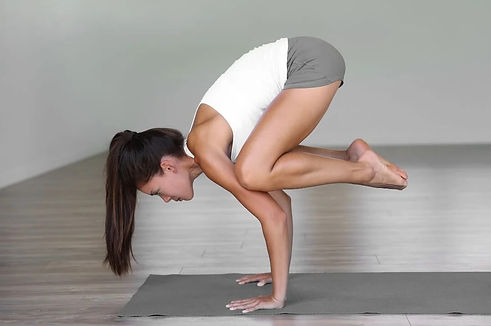

Aerial Yoga
Aerial Yoga is a hybrid type of yoga combining traditional yoga poses, pilates, and dance with the use of a hammock. Aerial yoga requires a special kind of hammock, a prop designed to support up to 300 kilograms on average.
-
Spinal Decompression: Being suspended in a hammock allows gravity to gently pull the body apart, alleviating pressure on the spine and joints.
-
Joint Relief: The hammock supports your body weight, making inversions (like hanging upside down) accessible without straining the neck or wrists.
-
Enhanced Core Stability: Balancing in mid-air forces constant engagement of stabilising muscles that are often neglected in ground-based exercises.
Iyengar Yoga
Precision and alignment are the hallmarks of Iyengar Yoga, which often incorporates props like blocks, straps, and bolsters to help maintain proper alignment. It can help with developing patience and mindfulness, and enhance mental clarity.
-
Anatomical Precision: Focuses heavily on detail and alignment, which can help correct posture and improve structural body awareness.
-
Accessibility via Props: Uses tools like belts, blocks, and chairs to make poses safe for people with injuries, chronic pain, or limited flexibility.
-
Pain Management: Widely researched for its effectiveness in relieving chronic back and neck pain by strengthening supportive muscle groups.


Kundalini Yoga
Kundalini Yoga is more spiritual, aiming to unlock the energy at the base of the spine. It involves chanting, meditation, and specific poses to help enhance self-awareness and inner peace. Engage in the chanting and breathing exercises with an open mind and heart.
-
Nervous System Regulation: Combines repetitive movement with complex breathwork to strengthen the nervous system and manage stress.
-
Cognitive Function: Research suggests Kundalini can improve memory and executive functioning more effectively than traditional memory training.
-
Emotional Resilience: The use of mantras and chanting helps clear subconscious thought patterns, fostering emotional stability and self-awareness.
Meditation
Meditation is a practice in which an individual uses a technique to train attention and awareness and detach from reflexive, 'discursive thinking', achieving a mentally clear and emotionally calm and stable state while not judging the meditation process itself.
-
Stress and Anxiety Relief: By training the mind to focus on the present, meditation lowers cortisol and reduces symptoms of generalised anxiety.
-
Better Sleep: Regular practice helps calm the mind before bed, leading to faster sleep onset and deeper rest.
-
Improved Concentration: Mindful awareness techniques help narrow attentional bandwidth, reducing mental rumination and improving daily focus.
