ESSENTIAL EUROPE TRAVEL TIPS


What is the best time to book tickets to Europe? What is the proper tipping etiquette?
Should I get a rail pass? Is it better to book with hotels directly or through a third party?
These are all questions I asked myself before I became the travel geek (I would say expert but frankly it sounds way too serious) that I am today. It definitely wasn’t smooth sailing and, yes, I made a fool out of myself more times than I can count but I lived to tell the tale and tell you how NOT to go through the same embarrassing situations.

Itineraries & Planning
Don’t get overwhelmed. When it comes to travel, less really is more. Find a focus and stick to it.
Establish a route that reflects that focus. Circle your destinations on a map and figure out a logical geographical order between them – but don’t commit to anything until you’re confirmed flights or train schedules.
Consider multi-city flights or free stopovers. Flying into one city and out of another isn’t necessarily more expensive than a regular round trip, and might give you more leeway with your itinerary.
If you’ll be renting a car, however, remember that agencies can charge you a one-way drop-off fee.
Don’t travel to Europe in the summer if you can avoid it. It’s more expensive and unnecessarily crowded.
Minimise one-night stays. Don’t underestimate how exhausting it can be to change hotels every night. Travel burnout is a thing.
Mid-week flights are usually cheaper. Be flexible with your travel dates. Set up alerts if you need to. Get a travel credit card if you can. Most of them offer extensive travel insurance and even lounge access.
Unlock your phone and get a local SIM card. If you need constant WiFi access, get a MiFi device.
Ticketing sites will change the prices they show you depending on your browsing history. Before your start researching flights and accommodation, clear your cookies or open an incognito window.

Transportation
If you’re on a budget, flying into your preferred airline’s main hub (British Airways = London, Air France = Paris, Lufthansa = Frankfurt, etc.) will always be the cheapest possible option. Combine that with a low-cost flight from the same airport if you need to travel elsewhere in Europe.
Don’t always think you need a Eurail pass. Look up the reservation fees and seat prices, do the arithmetic, and book your tickets accordingly. Remember that high-speed trains always require reservations, and they are not cheap.
Train tickets are usually open-ended; therefore, you will need to validate your tickets at the small machines by the tracks. And no, an excuse will not talk you out of the hefty fine you’ll inevitably get.
Always check the train number before you board, especially if you arrived on the platform in advance. Trains can be as close as three minutes to each other and yet go in completely different directions.
If your itinerary only takes you to capital cities, don’t even think about renting a car.
Skip taxis, and take public transit. If you must, take an Uber. They’re cheaper!
Buy European train tickets online directly from the official national railway sites, not from third-party agencies who take a commission.

Food
In Italy, restaurants charge extra to eat in. Have your meal to go or be prepared to fork out an extra 2-5 euros for a sit-down meal.
Splurge on lunch, and skimp on dinner. Restaurants will often have a “daily meal” special, i.e. a fixed price three-course menu offered at lunchtime.
In Europe, water and bread are rarely free. Especially when it magically lands on your table without you requesting it.
Don’t wait until you’re hungry to start scouting for food. This never ends well.
Don’t pay extra for breakfast at the hotel. Grab something at the nearby bakery instead.
Restaurants in Europe seldom offer round-the-clock service (aside from the really touristy ones). Family-owned, traditional restaurants are usually closed between 2 pm and 7 pm.
Restaurants are not your only option. For fresh produce and gourmet experiences, head to the city’s market in the morning to grab what you’ll need for a picnic.
Eat where the locals eat. If there’s a tourist bus parked in front of the restaurant you’re eyeing, if it has a multi-language menu, or if it’s filled with people who look exactly like you, you’re in the wrong place.
Unsure what to order for dessert in France? Ask for a café gourmand, which consists of an espresso served with 3 or 4 bite-size versions of the restaurant’s current dessert selection.
In Italy, don’t order cappuccinos after 10 am unless you want to be their laughing stock for the rest of eternity.
Tap water in Western Europe is fine to drink, but you should be considerably more careful in Eastern Europe.
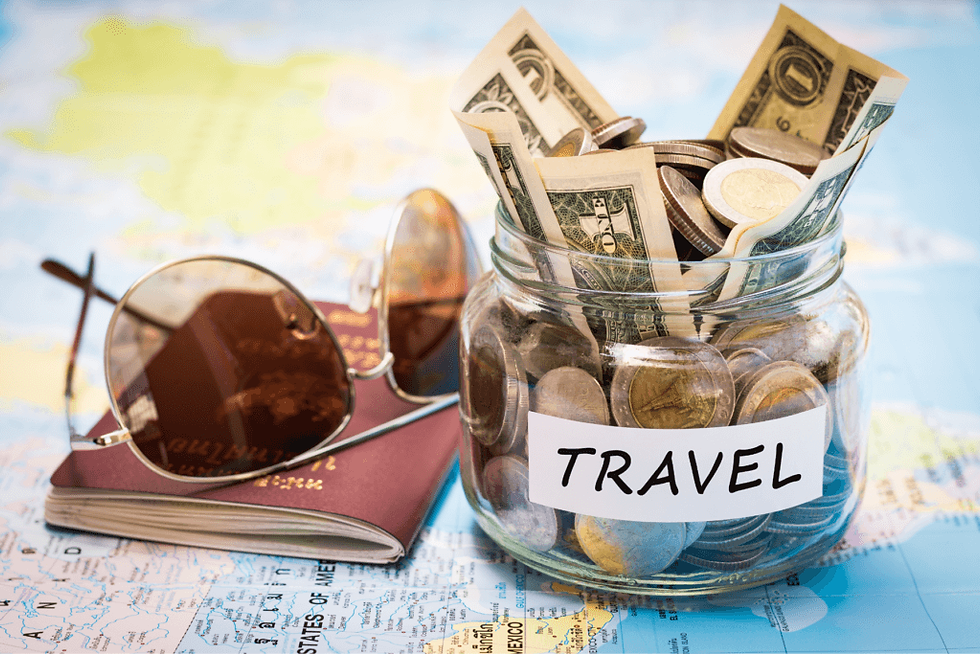
Money
If you’re a student, bring your student ID and consider getting an ISIC. You can get discounted rates on everything from museum admission to transportation.
It is not uncommon for train stations to charge for toilets – keep a few coins handy.
At restaurants, check the menu to see if service is included (it usually is). But know that it is customary to leave the leftover small change if you pay in cash.
Never withdraw or exchange money at the airport. Exchanges rates are terrible.
Don’t bother getting loads of Euros before you leave. Just stop at the first ATM you see (outside the airport, of course!) and withdraw whatever you’ll need for the duration of your trip. Only carry what you need for the day, and leave the rest in your room’s safe.
If you want to make your life simpler, get a chip-and-PIN credit card. And don’t even think about traveller’s cheques.
Make sure you spend all your coins before you leave as you can’t exchange them back home. If you’re at the airport and you realise you have coins left, purchase something with your coins and pay the balance with your card. Clerks are used to it.

Accommodation
Never, ever book a hotel near the airport unless you are flying out early the next day. It’s never worth it.
On the same note, try to avoid staying in the immediate vicinity of train stations. They can become quite sketchy at night.
Looking for private accommodation that doesn’t break the bank? Consider luxury hostels or budget-friendly chains. Remember that you’ll only be spending a few hours in your room. Apartments are also a worthy alternative.
Avoid booking through aggregators or third-party websites. You may get better rates, but you’ll get a really inferior room. Call the hotel and ask them to match the price!


Comments