A Guide To Gallery Walls
Gallery walls are a great way to display a collection of art, photos, or other decorative items in a visually appealing and personalised way.
To create a successful gallery wall, plan the layout, consider the scale and spacing of the pieces, and choose items that reflect your personal style and interests.
Whether to put pictures on every wall depends on personal taste and the atmosphere you are trying to create. While decorating all walls can create a cosy, visually appealing space, it is essential to strike a balance. Consider the size of the room, the artwork, and the overall design scheme. A mix of pictures and empty spaces can create an interesting yet relaxing space. However, It is entirely acceptable to have art on every wall, depending on personal preference and the desired aesthetic. Consider the balance and harmony of the overall space, ensuring the art complements the room's theme and does not create visual clutter. Selecting a variety of sizes, styles, and themes can contribute to a cohesive and visually engaging decor.
Planning Your Gallery Wall
1. Choose a Location:
Select a prominent wall in your home, such as in the living room, hallway, or above a console table, that can serve as a focal point.
2. Determine the Size:
Measure the wall space and decide how much of it you want the gallery wall to occupy. A good rule of thumb is to aim for about two-thirds the width of the furniture below the wall, such as a sofa or console table.
3. Select Your Pieces:
-
Consider a Theme - A theme can help create a cohesive look, such as a collection of portraits, landscapes, or pieces in a specific colour palette.
-
Mix & Match - Don't be afraid to mix different sizes, shapes, and frame styles for a more dynamic and interesting display.
-
Add Texture - Incorporate three-dimensional elements like clocks, mirrors, or sculptures to add visual interest.
4. Plan the Layout:
-
Arrange on the Floor - Before hanging anything, arrange your pieces on the floor to experiment with different layouts and spacing.
-
Start with the Largest Piece - In an asymmetrical arrangement, begin with the largest piece and work outward from there.
-
Maintain Spacing - Aim for consistent spacing between pieces, typically 2-3 inches (5.0-7.5 cm), to prevent a cluttered look.
-
Consider Symmetry - If you prefer a more formal look, you can opt for a symmetrical arrangement with pieces of similar sizes and spacing.
5. Hang the Pieces:
-
Start with the Centre - In an asymmetrical arrangement, start by hanging the largest or most prominent piece in the centre.
-
Use a Level and Measuring Tape - Ensure your pieces are hung straight and at the correct height.
-
Consider the 2/3 Rule - For furniture below the gallery wall, the gallery wall should be roughly two-thirds the width of the furniture.
-
Consider the 57 Rule - The 57 rule, a design guideline, suggests that the centre of a piece of art or a group of artworks should be positioned at 57 inches (145 cms) above the floor. This average eye level ensures optimal viewing comfort. Measure from the floor to the midpoint of the artwork for an aesthetically pleasing and balanced display.
Tips for Success:
Personalise it:
Choose pieces that reflect your personality, interests, and travel experiences.
Don't be Afraid to Experiment:
Gallery walls are a great way to try new things and express your creativity.
Edit and Adjust:
As you find new pieces, you can easily swap them out or rearrange your gallery wall to keep it fresh and evolving.
Consider Frame Materials and Colours:
Mixing frame materials and colours can add visual interest. Stick to a few core finishes for cohesion.
Avoid Overcrowding:
Leave enough space between pieces and around the edges of the gallery wall for a balanced and visually appealing display.
The Best Gallery Wall Layout Ideas
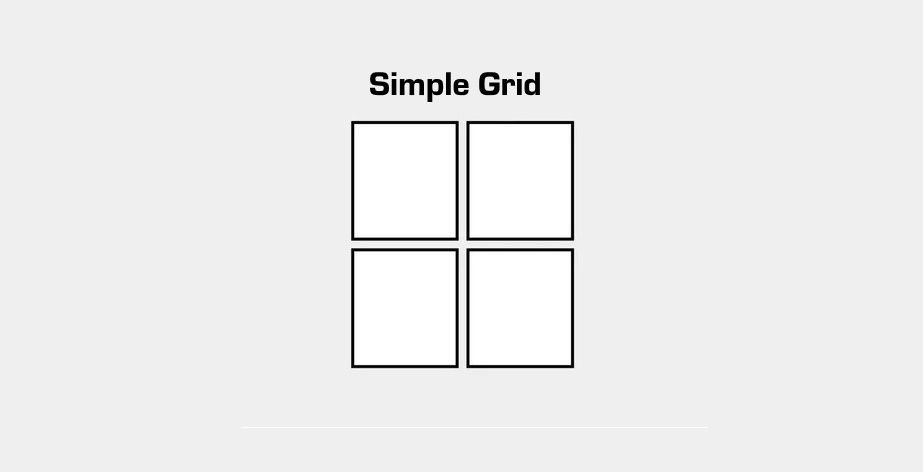
When designing and building a gallery wall you have endless options. Here is a sample of the most common layouts.